1971
One-of-a-Kind
Verified
Volkswagen Escarabajo
1600 · Sedan
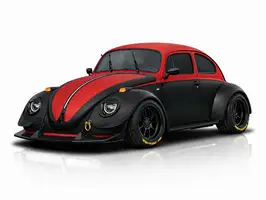
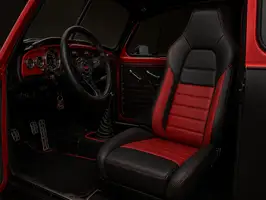
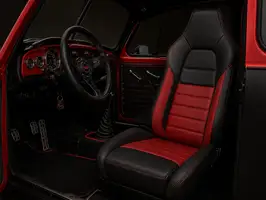
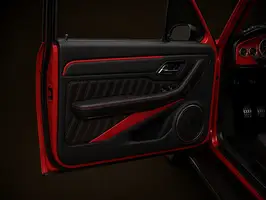
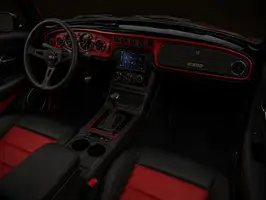
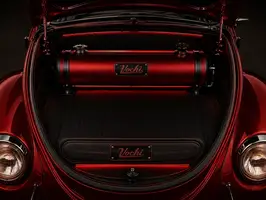
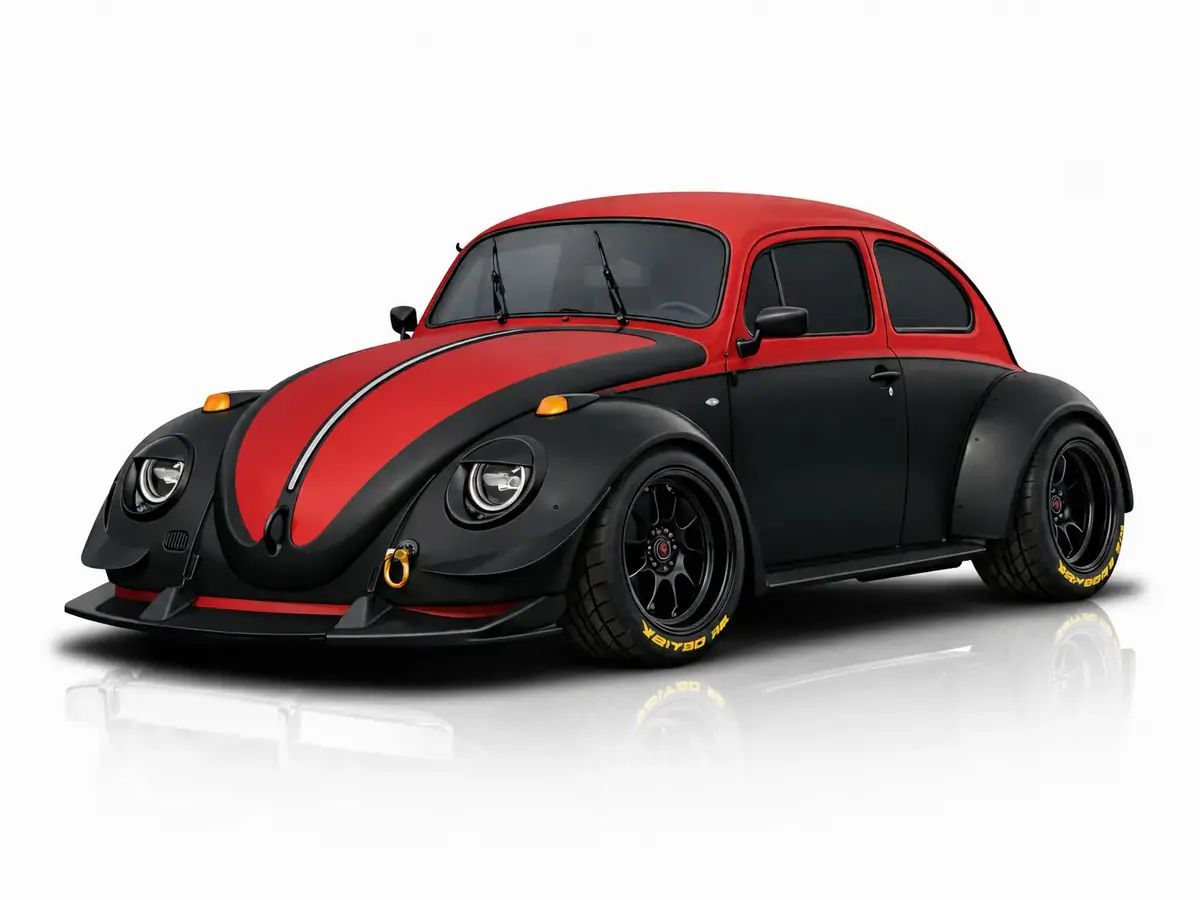
Vendo Volkswagen Super Beetle modelo 1971, color rojo, en excelente estado y 90% original. Único con suspensión McPherson y baúl mas grande. Un clásico bien conservado, con carácter y presencia, ideal para coleccionistas o amantes de los autos vintage. ✔️ 88.000 km ✔️ Motor 1600 cc ✔️ Papeles 100% al día ✔️ Se roba las miradas Un carro con historia, personalidad y estilo atemporal. No es solo transporte, es una experiencia.
$20 000 000
⭐ 4.9 · 142 reviews · Featured Build
✓ Perfect for
- Show-quality collectors
- Air‑cooled purists
- Documentation lovers
✗ Not for
- Daily commuting
- Budget buyers
- Family haulers
Mileage1 mi
Horsepower60 HP
TransmissionAutomatic
volkswagen escarabajo 1971 — where it sits in the lineup
The 1971 Volkswagen Escarabajo sits right before bigger front-end changes showed up in the Super Beetle. It still uses the traditional torsion bar front suspension. Rear is either swing axle or IRS depending on market and configuration. In Latin America, you’ll find both, often swapped or mixed over time.
By 1971, the car had already been standardized around the 1600cc engine in many regions. Some left the factory with 1300cc engines, but most cars on the road today have a 1600 dual-port, either original or swapped in later.
So you’re not dealing with a pure factory spec most of the time. You’re dealing with a platform that’s been repaired, modified, and patched for decades.
engine and mechanical baseline
Typical setup you’ll see now:
- 1600cc dual-port flat-four
- Around 48 horsepower
- Solex 34 PICT-3 carburetor (or similar)
- 4-speed manual transmission
It’s air-cooled. No radiator. Cooling depends on a fan, a belt, and complete engine tin.
If any of that is missing or loose, engine temperature climbs fast. There’s no buffer. No warning system that saves you.
Valve adjustments:
- Every 5,000–8,000 km
- Done cold, manually
Skip that and the valves tighten. Exhaust valves burn. Compression drops.
Oil changes:
- Every 3,000 km
- No full-flow filtration in stock form
Oil carries more contamination than modern engines. That’s why the interval is short.
Real example: 1971 Escarabajo in Medellín, daily use. Owner skipped two oil changes and one valve adjustment cycle. Engine didn’t fail instantly. It started losing power, idled rough, and ended up needing a top-end rebuild. Cost was around $400 USD equivalent.
carburetor, ignition, and fuel system
Carburetors are simple, but they don’t stay in tune forever.
Common issues:
- Worn throttle shaft
- Vacuum leaks
- Dirty jets
That leads to rough idle, hesitation, and higher fuel consumption.
Ignition uses points and condenser unless converted. Points wear down:
- Every few thousand kilometers
- Timing drifts as they wear
Fuel system is a known risk area.
Rubber fuel lines crack over time. Fuel leaks in the engine bay. Fires happen. Not rare.
A shop in Cali documented three Beetle fires in one year from cracked fuel lines. Same pattern each time. Old hose, engine heat, leak, ignition.
transmission and clutch behavior
4-speed manual.
Clutch is cable-operated. When the cable snaps, the pedal drops and you’re stuck.
Typical clutch cable lifespan:
Gearboxes are durable if maintained, but worn synchros are common.
Second gear is usually the first to show wear:
- Grinding during downshifts
- Slower engagement
That’s not a quirk. It’s wear from decades of use.
suspension and handling
1971 still uses the classic torsion bar front suspension.
It’s simple and strong, but not refined.
Front end:
- Torsion bars
- Trailing arms
Rear end:
Swing axle issues:
- Rear wheels tuck under in hard turns
- Sudden oversteer if pushed
IRS improves stability but doesn’t make it modern.
Steering is manual. No assist.
At low speeds, it’s heavy. At speed, it loosens up but feels vague if components are worn.
Most cars have worn bushings, loose steering boxes, or tired shocks. That creates play in the system.
You turn the wheel. Nothing happens for a moment. Then the car reacts.
braking system reality
By 1971, some markets had front disc brakes. Others still ran drums on all four corners.
Rear brakes are always drums.
Drum brakes require regular adjustment:
- Every few thousand kilometers
If ignored:
- Pedal gets longer
- Braking becomes uneven
- Car pulls under braking
Brake fluid absorbs moisture over time. Old systems have corrosion inside lines and cylinders.
Stopping distances are long compared to modern cars. No ABS. Easy to lock wheels.
driving it in real use
At low speeds, it works fine.
City driving:
- 30–60 km/h feels normal
- Engine stays in its comfort range
- Steering is manageable
Highway driving exposes the limits.
- 80 km/h is comfortable
- 90 km/h is near the limit
- 100 km/h feels unstable
Front end gets light. Crosswinds move the car.
Acceleration is slow.
- 0–100 km/h takes around 20 seconds or more
At altitude, power drops further. A 48 hp engine feels weaker in cities like Bogotá.
Climbing hills:
- You downshift early
- You stay in third gear longer than expected
Passing another vehicle requires distance and timing. There’s no extra power available.
interior and comfort
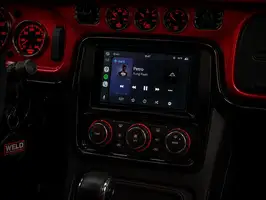
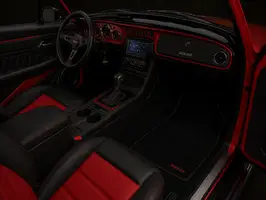
Interior is basic.
- Flat seats
- Minimal padding
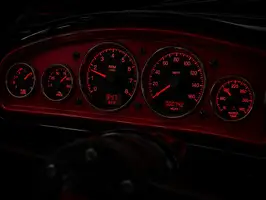
- Simple dash with speedometer
No sound insulation worth noting.
You hear the engine constantly. It’s behind you, separated by a thin barrier.
Heating system uses air from heat exchangers around the exhaust.
If those are rusted or missing:
- No heat
- Or contaminated air enters the cabin
Example: 1971 Escarabajo in Pereira had rusted heater channels. Driver noticed a burning smell during drives. Exhaust gases were entering the cabin. Heater system was disconnected to stop it.
No factory air conditioning in most cases.
electrical system issues
12-volt system.
Common problems:
- Brittle wiring
- Poor grounding
- Weak headlights
Fuse box connections corrode. That leads to intermittent failures.
Charging system:
Failure shows up as battery draining while driving.
Electrical problems are usually small but frequent.
rust and structural condition
Rust is the main factor that determines whether the car is worth anything.
Critical areas:
- Floor pans
- Heater channels
- Frame head
- Rear torsion housing
These parts hold the structure together.
If heater channels are rusted:
- Doors don’t align properly
- Body flex increases
Example: 1971 Escarabajo in Cali with new paint and clean interior. Underneath, floor pans were patched with thin metal sheets. Not welded. Car flexed over uneven roads.
Proper repair requires cutting out rust and welding in new metal. Patching doesn’t hold long-term.
parts availability and cost
Parts are easy to find in Colombia.
Typical prices:
- Carburetor rebuild kit: $25–$60
- Clutch kit: $120–$200
- Brake components: $40–$100
- Engine rebuild kit: $500–$900
Labor is straightforward.
The issue is part quality.
Cheap parts fail early. Rubber components crack quickly. Carburetors from low-cost manufacturers often need adjustment right out of the box.
You end up repeating repairs if you choose the lowest price option.
fuel consumption
Typical range:
Depends heavily on carburetor condition and tuning.
Ethanol-blended fuel damages old hoses and seals unless replaced with updated materials.
real ownership example
1971 Escarabajo used daily in Medellín.
Usage:
Repairs over one year:
- Clutch cable replaced once
- Carburetor cleaned and rebuilt
- Valve adjustments every 2–3 months
- Fuel lines replaced after cracking
Total cost: around $750–$1,000 USD equivalent.
Downtime: around 10–12 days across multiple small repairs.
The car stayed running. It just needed constant attention.
Noise, heat, and basic seating reduce usability on longer drives.
what it comes down to
A 1971 Volkswagen Escarabajo works because it’s simple, not because it’s durable by modern standards.
It needs regular maintenance. Not optional. Constant.
It handles slow city driving without issue. It struggles in faster traffic.
It’s cheap to keep moving. It’s not low-effort.
That’s the trade.